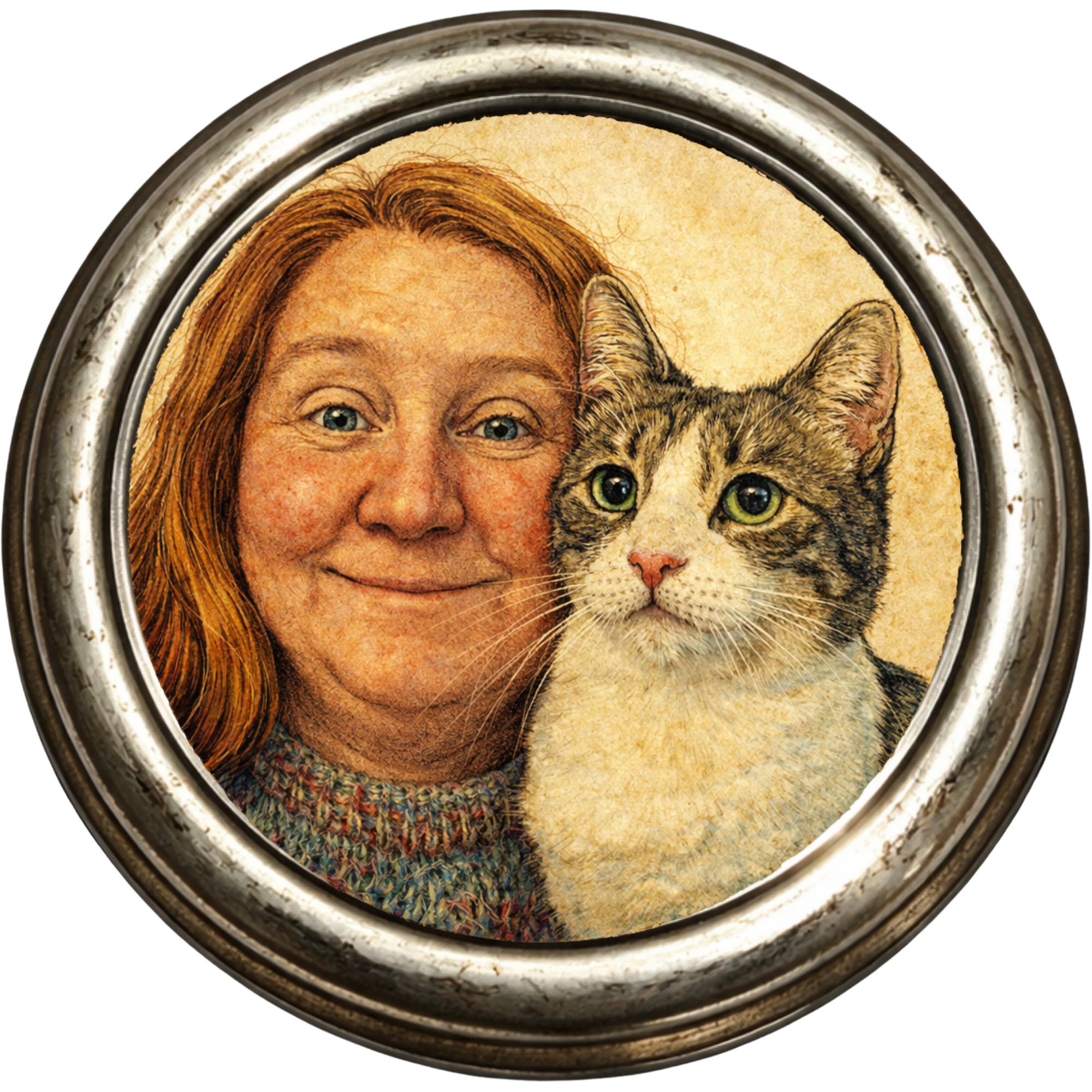
founder
I am not an educator
15 April 2026
I am not an educator.
I learned to read easily, happily, somewhere in 1980s America. Probably using what we would now call structured literacy, long before anyone was fighting about it. Nobody told me there was a reading war. I had no idea such a thing existed.
Then my daughter struggled. So I started reading.
Here is what I learned: reading is not a natural skill. Unlike speech, which humans are wired for, reading requires the brain to repurpose architecture that evolved for other things entirely. We are not born readers. We are made into them. And because there is no single biological pathway for it, there is no silver bullet. There never was. There never will be.
That open question has kept researchers, publishers, and ideologues busy for the better part of a century. And it has kept children caught in the crossfire.
Teacher training was not captured by one ideology. It was captured by a succession of them. First whole language and three-cueing, which taught children to guess from context, pictures, and first letters rather than decode. Then the pendulum swung. The Rose Review in 2006 recommended systematic synthetic phonics. SSP became policy.
But policy is not practice. Teacher training lagged by a generation. Whole language thinking persisted in classrooms, in reading schemes, in the beliefs of the people training the next cohort of teachers. The policy changed. The practice did not fully follow. And the children in between paid for it.
We are still cleaning up. The children failed by both waves are parents now.
I want to be clear: I am not angry at teachers. Most of them were not trained in this either. They were handed an ideology, told it was science, and expected to deliver results. Many of them knew something was not working. They just did not know why.
The British Dyslexia Association alone has hundreds of hours of freely available video. There are long-form podcasts, think pieces, decades of peer-reviewed research in cognitive science and educational psychology. None of it is hidden. None of it requires a teaching qualification to understand.
I believe in an all-of-the-above approach. Different children need different things. SSP is a powerful tool. It is not the only tool. The insistence on rigid fidelity to any single method, however well-evidenced in aggregate, closes the door on the children who needed something slightly different. And those children exist. I know because one of them is mine.
I am a parent who had no choice but to become a literacy expert. I did it the way you would expect: by reading.
There are thousands of parents just like me. We did not go looking for a fight. We went looking for our children.
The information is out there. For all of us.